ERIK LINDMAN AND ROBERT MOTHERWELL: OPEN EDGES
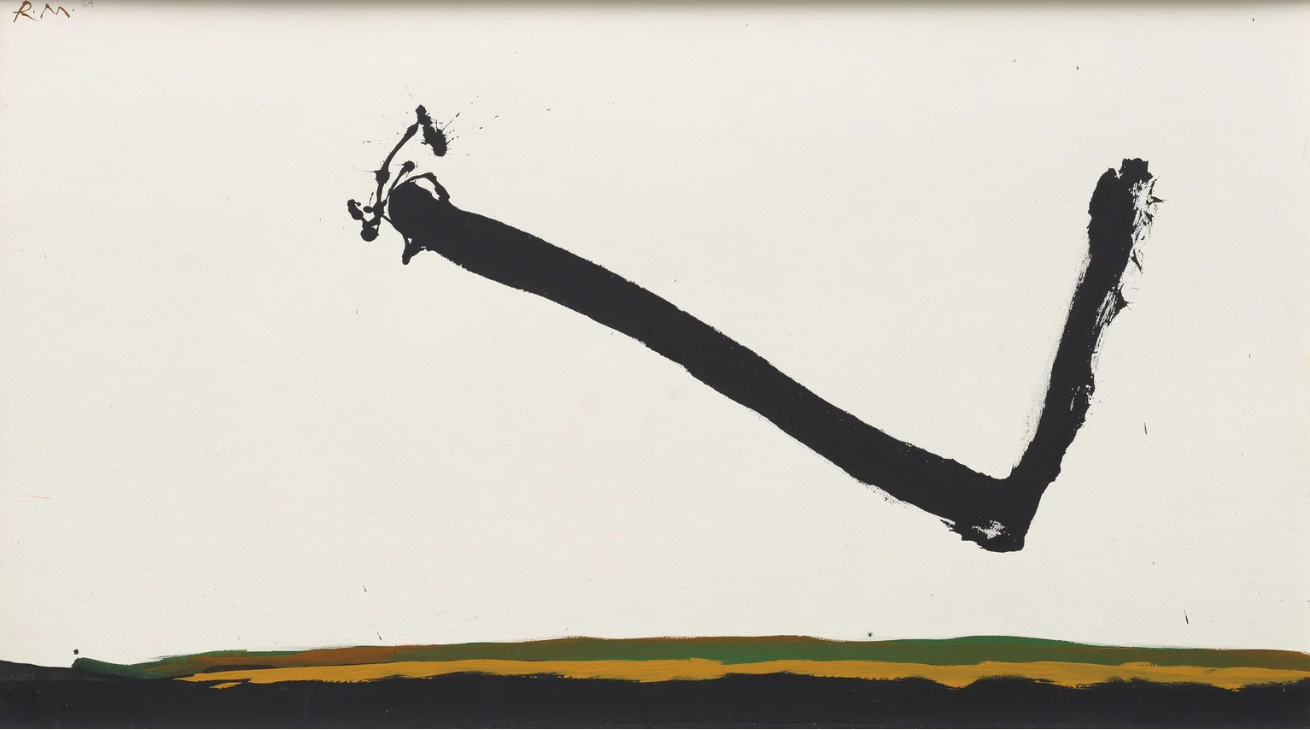
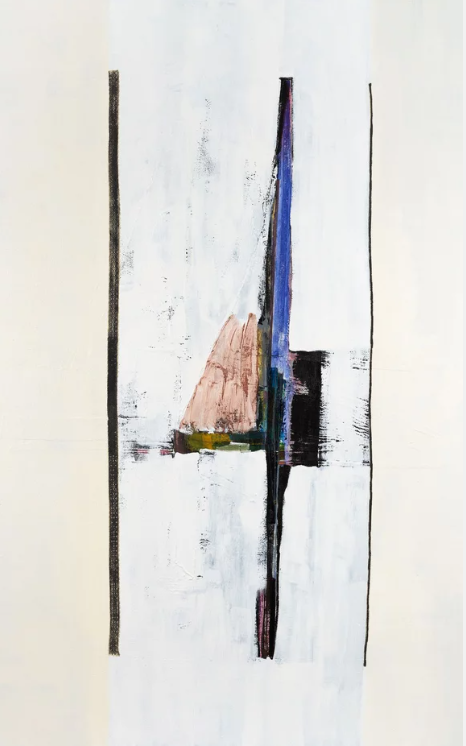
ALMINE RECH Brussels is pleased to present 'Open Edges: Erik Lindman & Robert Motherwell', a duo show.
March 11 – April 18, 2026
For the length of the exhibition, the Fundación Almine y Bernard Ruiz-Picasso will be loaning two works by Pablo Picasso, which will be on view and part of the show, grounding the dialogue in the European Modernism that informed Robert Motherwell and, subsequently, Erik Lindman.
"More fundamental is the individual problem, the capacity of an artist to absorb the shocks of reality, whether coming from the internal or external world, and to reassert himself in the face of such shocks, as when a dog shakes off water after emerging from the sea."
—Robert Motherwell, 1944
“Erik Lindman and Robert Motherwell are two artists who, though born seventy years apart, share an interest in using found materials to generate compositional decisions in their work. This can be traced back to their shared lodestar Picasso, and the collage technique he developed at the turn of the last century. This introduced aspects of the real world into the picture plane for the first time. In Picasso’s hands these found elements became devices to generate compositions, radically advancing the modernist project of complicating the problem of authorship. Picasso’s use of collage broadened the understanding of the artist as someone who imagines. The artist is reconceptualized as someone who ideates, selecting elements external to art so as, to paraphrase Sol LeWitt, act as machines that generated the art. For example, Picasso might incorporate the dot pattern of a piece of wallpaper, which might in turn give rise to a stippled passage of paint. These painted dots, abstract in themselves, can be understood as both referencing the pattern of the commercially produced wallpaper and the atomized dots of late 19th century pointillist painting. In this way Picasso was able to approach a form of meta-painting. In this mode elements of the world could be integrated that referred back to elements of painting’s history, even as they provided ways of expanding the painter’s toolbox, and what that toolbox was able to express.”
— Alex Bacon, Art historian, curator, and publisher