WILLIAM EGGLESTON: THE LAST DYES
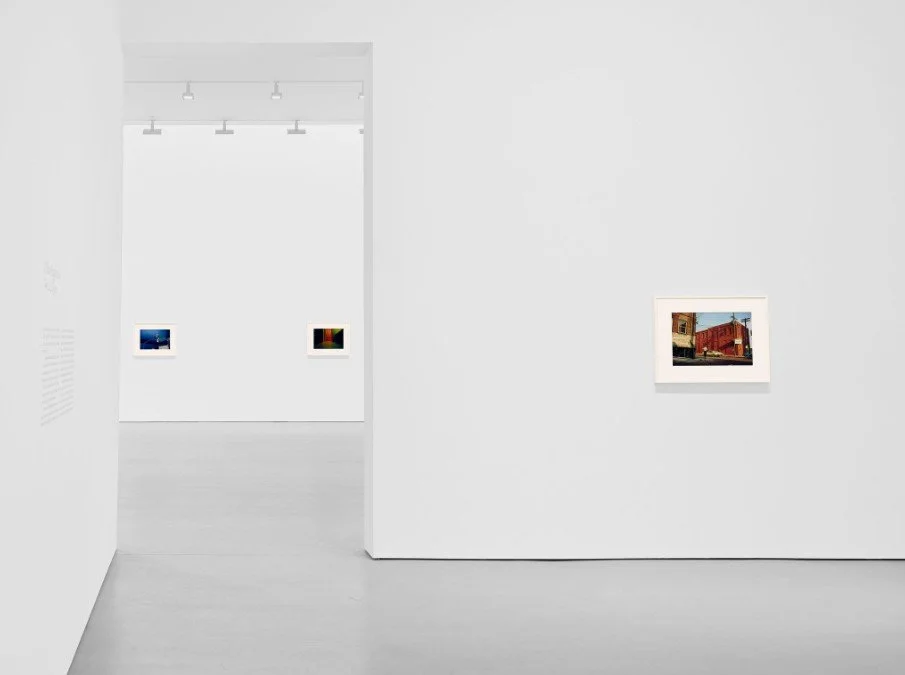
DAVID ZWIRNER is pleased to announce The Last Dyes, an exhibition of new dye-transfer prints by William Eggleston opening at the gallery’s 533 West 19th Street location in New York.
January 15 — March 7, 2026
Eggleston pioneered the use of dye-transfer printing for art photography in the 1970s, and—as the title suggests—these photographs are the final prints ever made of Eggleston’s images using this analog process. The presentation itself constitutes the last major group of photographs ever to be produced using this printing method, making it a unique opportunity to see a number of works by Eggleston in the format in which he originally presented them.
“I was reading the price list of this lab in Chicago and it advertised ‘from the cheapest to the ultimate print’. The ultimate print was a dye-transfer.... The color saturation and the quality of the ink was overwhelming. I couldn't wait to see what a plain Eggleston picture would look like with the same process. Every photograph I subsequently printed with the process seemed ... better than the previous one.”
—William Eggleston in conversation with editor and writer Mark Holborn, 1991
Over the course of nearly six decades, William Eggleston (b. 1939) has established a singular pictorial style that deftly combines vernacular subject matter with an innate and sophisticated understanding of color, form, and composition. His vividly saturated photographs transform the ordinary into distinctive, poetic images that eschew fixed meaning. One of the foremost practitioners in the medium’s history, Eggleston continues to exert an influence on contemporary visual culture at large.
Eggleston’s discovery of the dye-transfer process in the 1970s—primarily used in advertising at the time—was crucial to his move from primarily working in black-and-white to producing color photographs. As the exhibition title suggests, the works on view in New York are the final prints ever to be made of Eggleston’s images using this inimitable analog process.
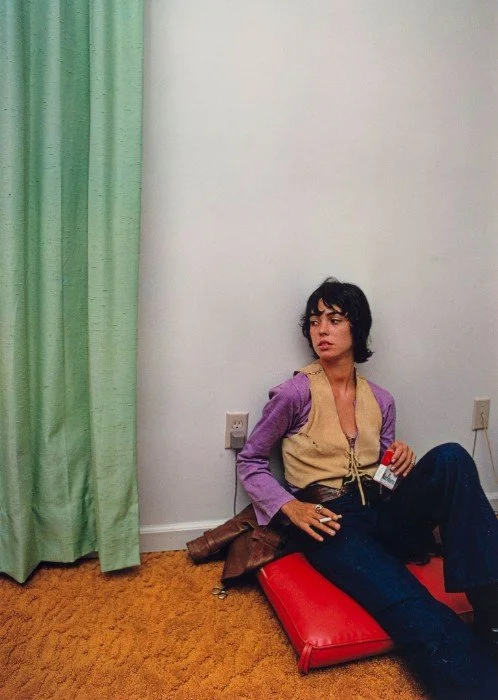
“[The dye-transfer] technique allows William Eggleston to subjectively control colors like a painter. And this manner of interpretation contributes to the fact that you often have the feeling of consciously seeing an object for the first time.”
—Thomas Weski, curator