PETER SCHUYFF: A GREAT SUFFICIENCY
MASSIMODECARLO is pleased to present A Great Sufficiency, Peter Schuyff’s first solo exhibition with the gallery in London.
January 21 - March 7, 2026
The exhibition brings together works shaped by counting, repetition, and sustained manual work, treating painting as a self-contained economy of labour and attention. The title points to a sense of fullness - neither too much nor too little - and reflects Schuyff’s resistance to over-explanation, as well as his belief that painting finds its meaning through the act of making itself.
“Function is a much better word than meaning,” Schuyff says. His paintings operate directly - visually, optically, physically - engaging the eye and the body. What they produce may vary, from pleasure to strain or fatigue, but the emphasis remains on the fact that something happens.
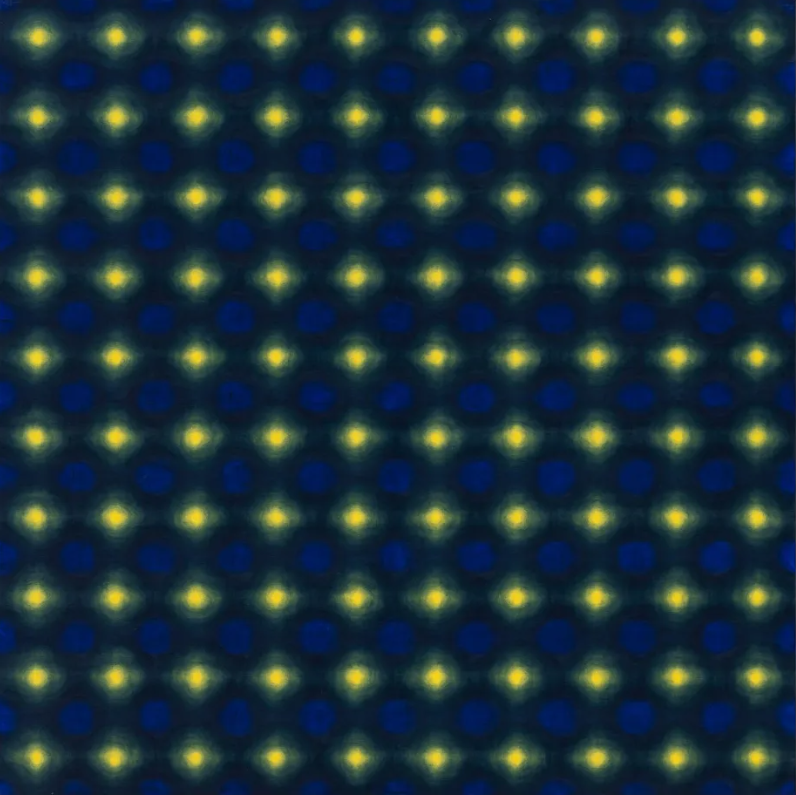
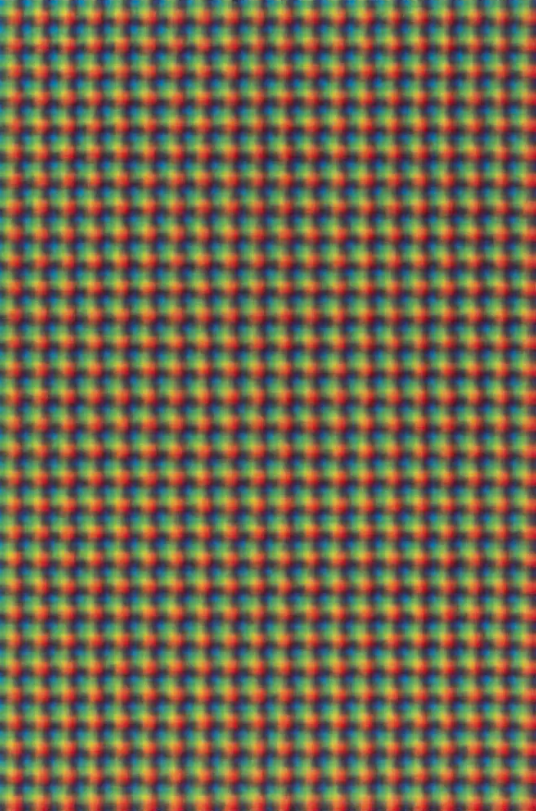
Several works from 2024 are densely worked, their surfaces punctuated by small points of light that slow the eye. The optical effect is a result rather than a plan. “I wanted to stop thinking and keep my hands busy,” Schuyff explains. Built over weeks through the repetition of a single gesture, the paintings gradually gather a different kind of intensity. “It’s like a stone in your pocket,” he says. “At a certain point it becomes gold. It becomes shiny. It becomes heavy.”
A sense of visual instability in the works emerges from touch and time rather than design. The surfaces unsettle the eye because they have been worked again and again. Looking slows down, becoming more attentive. The paintings ask the viewer to remain.
A Great Sufficiency does not seek to demonstrate painting’s relevance or argue for its necessity. It takes it as given. The exhibition asks little of the viewer beyond time and attention. What the exhibition offers instead is a complete act of painting, carried forward through measure and repetition until it reaches a point where nothing more is needed. This is what Schuyff calls “a great sufficiency”.