RON NAGLE: IRRATIONAL DISCOVERY
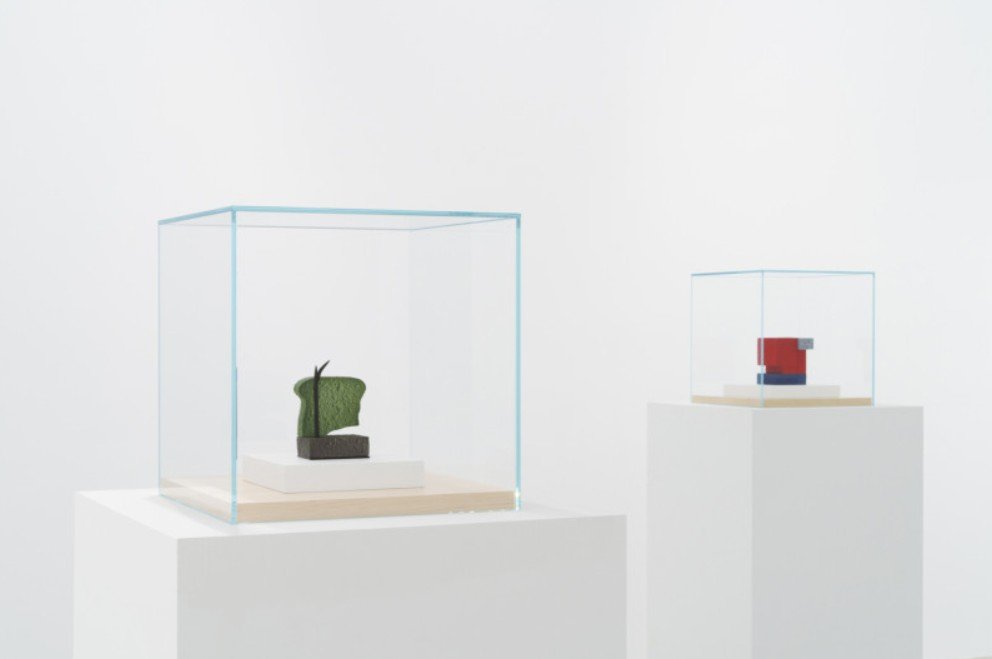
MATTHEW MARKS is pleased to announce Ron Nagle: Irrational Discovery. The exhibition includes twelve new sculptures made over the past three years.
through April 18, 2026
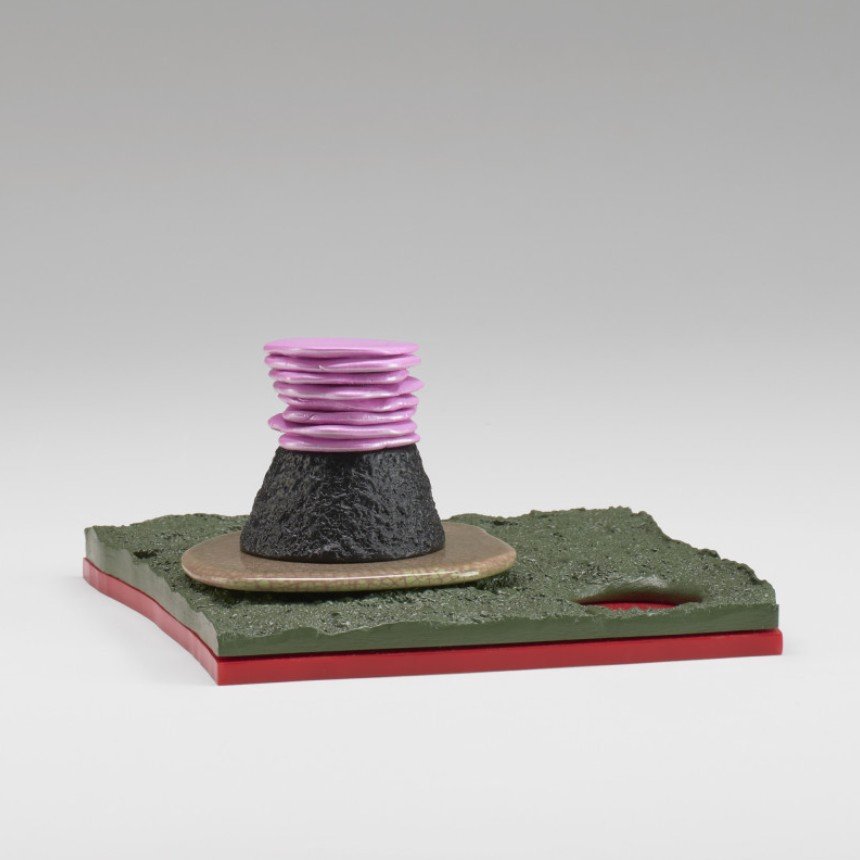
Known for his intimately scaled, meticulous, otherworldly sculptures, Nagle combines traditional and contemporary materials to dazzling effect. Ceramic, porcelain, polyurethane, and resin variously create different textures and finishes, and are painted in hues that range from earthy to electric. As one critic has described, Nagle’s sculptures are “quietly riotous, absurdist but technically virtuosic,” with a deceptively modest scale, measuring no more than six inches in any direction, that “pulls you in close and then punches you on the nose.”
Nagle has referred to his sculptures as three-dimensional paintings, and he cites painters as his primary influences, including Giorgio Morandi, Philip Guston, and Josef Albers. Yet, he maintains that inspiration can come from anywhere: “Everything is a starting place, but you see where it takes you.” The sculptures on view also draw from the Japanese philosophy of wabi-sabi, George Herimann’s “Krazy Kat” cartoons, and Mexican architect Luis Barragán’s built environments. Known for their asymmetrical designs, Japanese Oribe-ware platters are the artist’s latest source of inspiration, informing a series of new landscape sculptures such as Gateway Enabler, whose volcano-like mound erupts with bright, oozing yellow. “I’m trying to create both an object and a place. I want it to be believable,” Nagle has said, “It’s got to have all of it: allure, magic, presence.”
Ron Nagle (b. 1939) lives and works in San Francisco. He began working with ceramics while still a teenager. Nagle apprenticed to Peter Voulkos in 1961 and later exhibited alongside him, Ken Price, and other innovative West Coast artists working in clay. His first one-person exhibition took place in 1968, and since then his work has been shown at numerous venues around the world, including one-person museum exhibitions at the Berkeley Art Museum, the Secession in Vienna, the Perimeter in London, and the Fridericianum in Kassel.